Fast Track Impact logo
Newsletter · October 2026

Research Impact News

A note from the team

Hello everyone,

Training sessions are now open for Fast Track Impact masterclasses for the rest of 2026 and into 2027. They cover three points where impact work most often stalls: the plan, the output and the funding application. We also have a live webinar on the reach and visibility of your research, a new blog post and two recent webinar recordings.

As always, we have also pulled together a selection of papers, tools and ideas from across the research impact community.

Enjoy!
Masterclasses and webinars

Upcoming live sessions

6
October 2026
14:00–15:00 UK time
Webinar

Practical strategies to increase reach, access, and influence

HT
Guest speaker
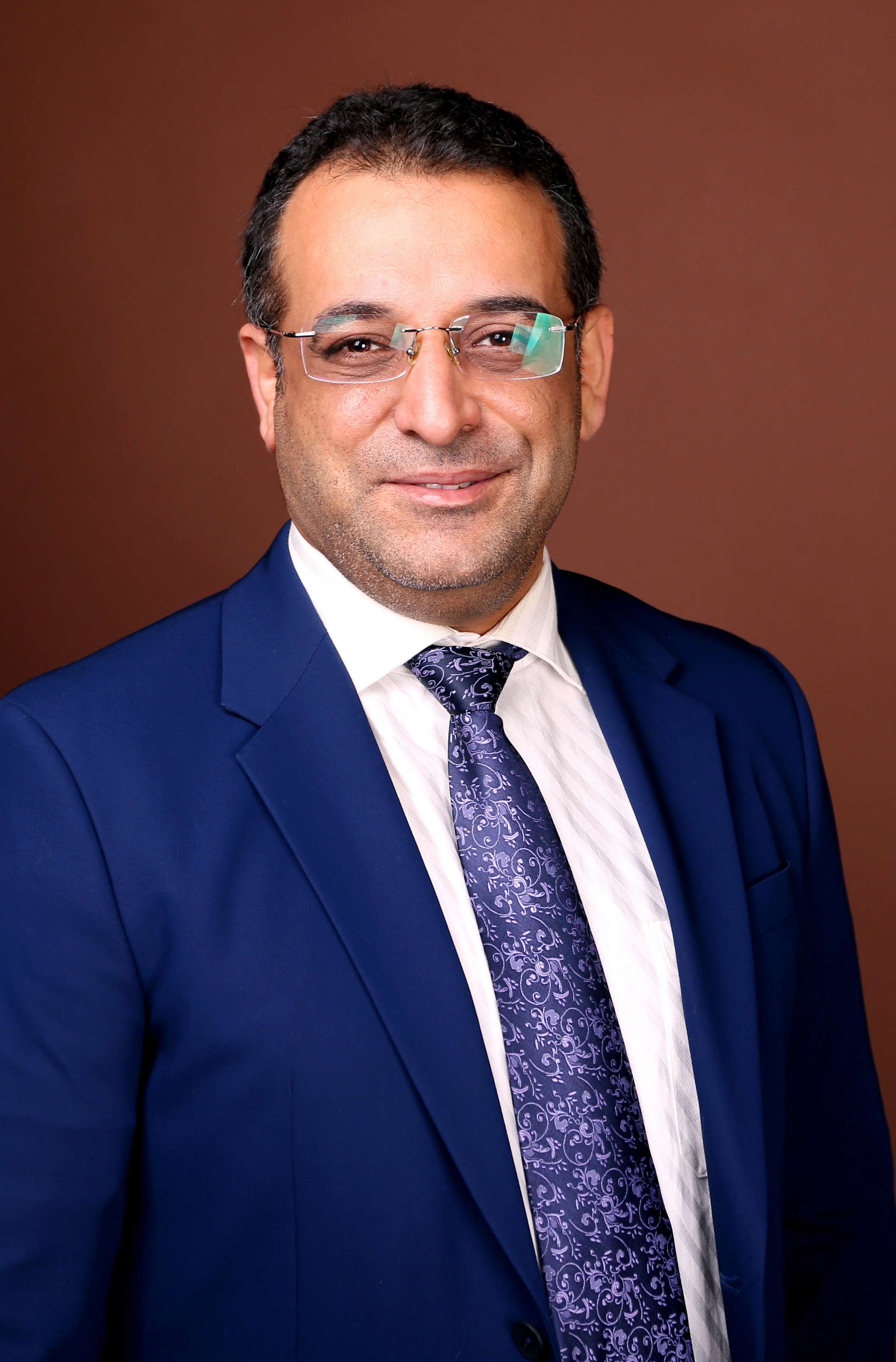
Prof. Hamed Taherdoost
Register free
View webinar details →
26
October 2026
13:00–14:00 UK time
Masterclass

Fast track your research impact

MR
Lead trainer
Professor Mark Reed
Book this session
View masterclass details →
4
November 2026
10:00–11:00 UK time
Masterclass

Writing high-scoring REF research outputs

MR
Lead trainer
Professor Mark Reed
Book this session
View masterclass details →
10
November 2026
10:00–11:00 UK time
Masterclass

Creating fundable impact plans for grant applications

MR
Lead trainer
Professor Mark Reed
Book this session
View masterclass details →

How masterclass seats work

You buy a seat, not a ticket. Choose your masterclass now or later, and move your seat to another date at no cost, until the session starts.

See all masterclasses →
Latest resources and training

News from FTI

Blog post

What to do when your research conflicts with government policy

A new blog post on what to do when your evidence does not fit current policy: waiting actively for a change of minister or government, reframing evidence for a different audience without altering it, and working with intermediaries to reach the right people.

Read the full blog post →
Webinar recording

Communicating with confidence under pressure

A session led by voice and breathing specialist Kate Cubley. Presenting your work well is not only about knowing your subject, it is also about helping others understand it, especially when pressure affects how you think, breathe and speak.

Watch the recording →
Webinar recording

Designing collaborative workshops that produce results

If you missed it, Daniela Martin (Director of Communications at the Institute for Methods Innovation) presented a practical framework for facilitating effective co-creation workshops, outlining four core design principles to prevent common session failures.

Watch the recording →
Updates from the wider community

Research impact news

Governance by measurement

Steering universities towards societal impact

A new paper by Prof Jenny M Lewis and Kate Williams compares research assessment frameworks across the UK, Australia, Hong Kong, the United States and the Netherlands, and finds that without standardisation, impact reporting narrows to what is easy to measure economically rather than what actually matters. Read Mark Reed's full commentary, including his three key takeaways, on LinkedIn →

Facilitation resources

A goldmine of free facilitation tools

A library of facilitation tools, available at no charge, for anyone planning to use workshops as part of their pathway to impact. Explore the library →

Foresight methods

Writing headlines from the future

A method used by colleagues in the LUNZ Hub: writing a news story from the future about the impacts you hope to see from your research. Read more →

Theory of change

Four reasons to develop a Theory of Change

A new blog by Sarah Morton sets out four reasons to develop a Theory of Change: to clarify thinking, learn and improve, organise data collection and report on impact. Read the blog →

REF and gender

Women under-represented in REF impact case studies

A new preprint from the Leverhulme Centre for Demographic Science, Oxford, finds women are under-represented in REF impact case studies, especially commercialisation pathways. Read the paper →

Policy engagement

A new EU policy engagement toolkit

A useful new policy engagement toolkit from University Alliance (UK), especially handy if you want to influence EU policy. Explore the toolkit →

Impact claims

Permissible claims and prohibited leaps

A useful guide to impact claims, distinguishing "permissible claims" from tempting but misleading "prohibited leaps". Paper by Yan Kapranov. Read here →

Co-production

"It feels like a genuine partnership of equals"

Helen Johnson and Nicole Vann Monney ask why community-engaged research can remain tokenistic, and share a Community Research Resource Pack available at no charge. Read the paper →

Evidence use in policy

The resourcing evidence use actually requires

A review of over 2,000 studies by Kathryn Oliver et al. shows growing recognition of the resourcing needed to embed evidence use within and between organisations. Read the review →

Policy advisory systems

Designing advisory services to withstand political attack

Policy advisory services for governments could be better designed to reduce the potency of political attacks on the legitimacy of science in times of crisis. Read the paper →

Institutional reform

A two-stage model for university reform

Ulrich Hommel and Wilfred Mijnhardt propose a two-stage model schools can use to build environments where impact can flourish. Read more →

We hope you've found something useful in this newsletter. If you think others would benefit from future emails, they can subscribe here.

We'll be in touch again soon with another edition.

Take care till then,

The Fast Track Impact team

Fast Track Impact

Fast Track Impact is delivered by the Institute for Methods Innovation, a registered non-profit in Ireland and Estonia, and a tax-exempt corporation under 501(c)(3) of the Internal Revenue Code in the United States.

4160 E 2nd Street #1309, Casper, WY 82609, United States
Unsubscribe  ·  Manage preferences